

 Polski
Rag rubber and its importance in screen printing
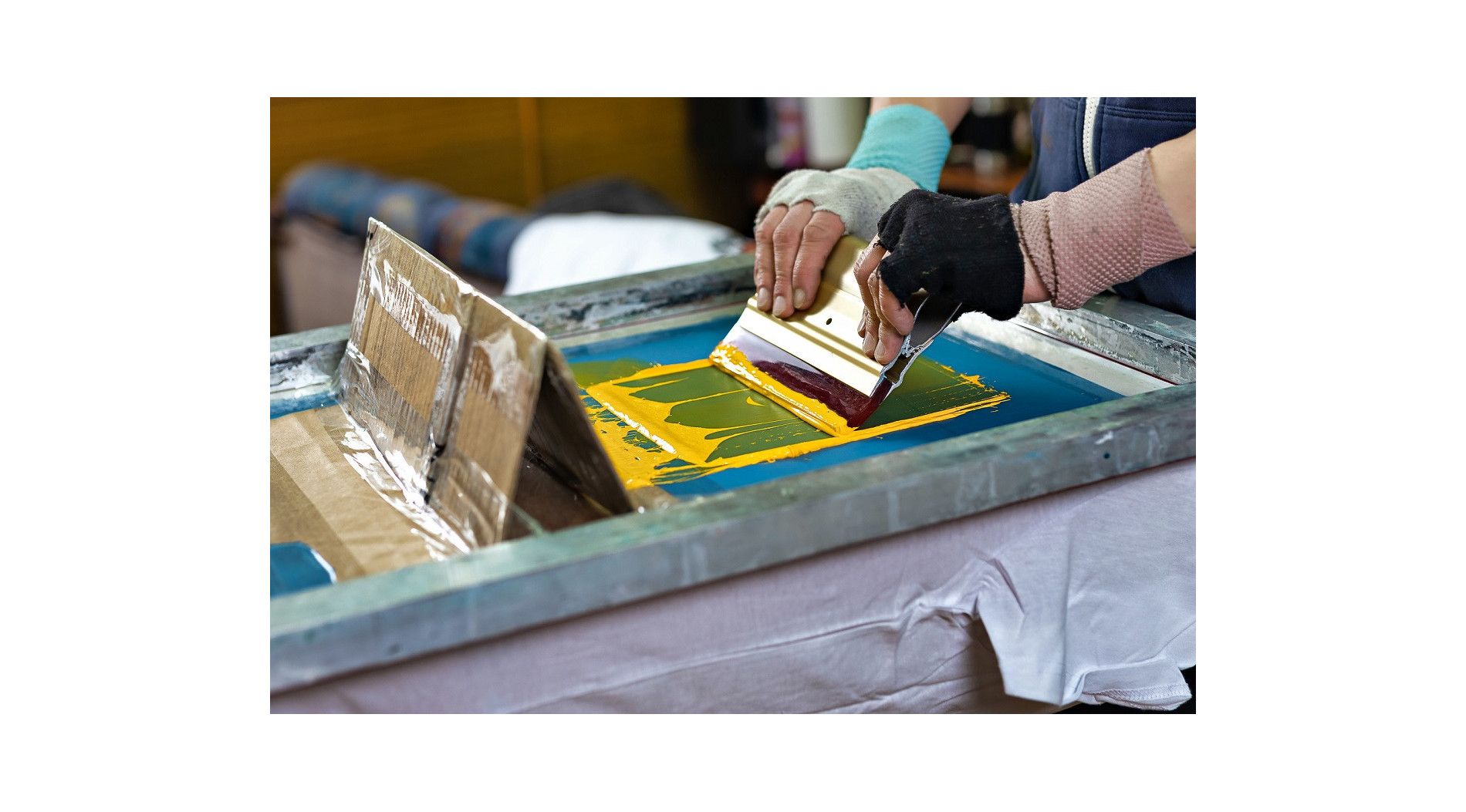
Screen printing is a popular printing technique that allows prints to be applied to a variety of substrates, including fabrics and various films. The results obtained, however, are highly dependent on the type of materials and accessories used. Among the factors that are decisive in achieving the right quality, the racquet rubber used will be of particular importance. Let's find out what you need it for and see what happens if it is not replaced at the right frequency.
What is the squeegee rubber used for?
The squeegee rubber is a key component of the squeegee, i.e. the element that allows the ink to be spread on the surface of the screen. This allows it to come into contact with the printed substrate where individual cells have not been obscured during exposure. The rubber must offer the right balance between stiffness and flexibility to adhere well to the screen, while not causing damage or too rapid wear of the mesh. Dimensional constancy and resistance to the chemical components of the paints and solvents used to clean the equipment will also be essential. Depending on your needs, rubbers can have a variety of profiles.
What problems can be caused by poor condition of the squeegee rubber?
The use of a squeegee rubber that is already heavily worn will result in poor paint distribution and uneven paint delivery to the mesh. This will result in some areas not being covered with paint. The poor condition of the squeegee surface also means there is a risk of rapid damage to the mesh and problems with optimal squeegee pressure. It is worth remembering that on automatic and semi-automatic machines, the squeegee rubber is highly stressed due to the high number of work cycles per time unit and wears down quite rapidly.