

 Polski
What are the biggest challenges in using photosensitive emulsions?
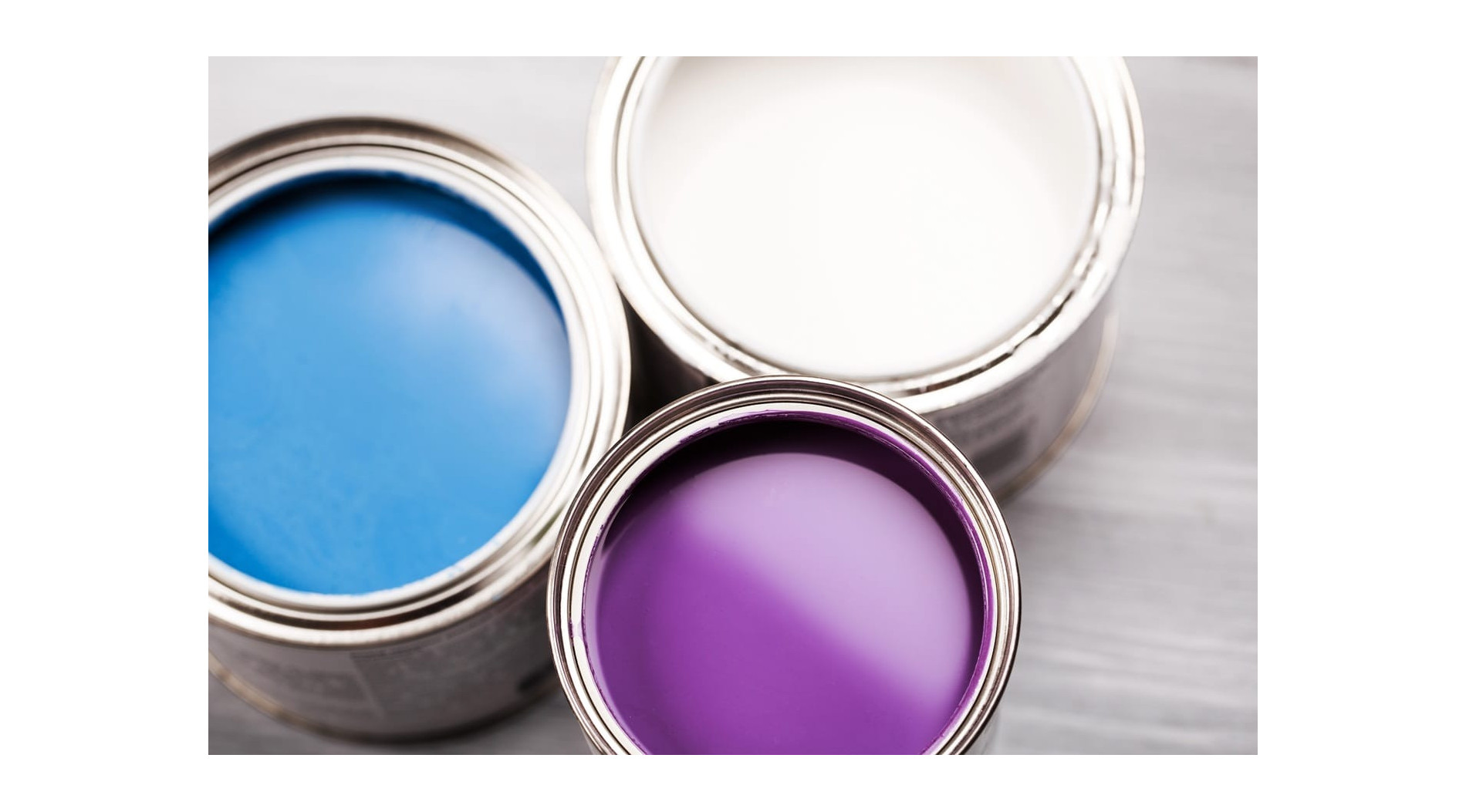
The application of photosensitive emulsions can be difficult for a variety of reasons. Problems with even application lead to defects in the stencils, which affects the quality of the prints. Atmospheric conditions such as temperature and humidity matter - they can alter the properties of these materials and make the process more difficult. Understanding these challenges is key to achieving high-quality results in screen printing.
Highlights of photosensitive emulsions
Photosensitive emulsions play a key role in the screen printing process, but their use presents many challenges. Problems with even emulsion application and the effect of atmospheric conditions on their properties can significantly affect print quality. Proper storage of emulsions, including control of temperature, humidity and protection from light, is essential to maintain their effectiveness. In addition, the various chemicals used in screen printing can affect emulsions, requiring appropriate precautions to be taken. Choosing the right emulsions and using them correctly are key to success in screen printing, and innovations in this area can bring additional benefits.
The importance of emulsion storage
The correct storage of photosensitive emulsions is crucial to their effectiveness in the screen printing process. Attention should be paid to the right conditions, such as temperature and humidity, to avoid material degradation. They should be stored in dark rooms protected from light to prevent premature curing. Inappropriate conditions can lead to a reduction in the quality of the final products and problems with the exposure of the stencils. It is therefore important to follow the manufacturers' recommendations for emulsions and to regularly check their stock to ensure optimum use.
Effects of chemicals on emulsions
Various chemicals used in the screen-printing process can adversely affect photosensitive emulsions, leading to stencil and print quality problems. Attention should be paid to cleaners and ink-removing pastes, which can be too aggressive and damage the photosensitive layer. It is worth choosing products dedicated to this process to avoid undesirable effects. In addition, be sure to store and use these emulsions properly to minimise the risk of damage. Proper stencil preparation and care of equipment and materials can significantly improve the efficiency of the work and the quality of the results obtained. Knowing the effects of chemicals on photosensitive emulsions allows you to better manage the screen printing process and avoid problems related to their use.
Types of emulsions and their use
There are photosensitive emulsions available on the market that differ in their properties and application. Choosing the right option is crucial to achieving the desired results in screen printing. Emulsions should be characterised by high quality, ink resistance and the ability to create precise stencils. Innovations in this field enable the development of new products with better parameters. It is worth noting the offers of companies specialising in this field, which can advise on the choice of suitable emulsions and other materials needed for screen printing projects.