

 Polski
How to expose the screen in screen printing?
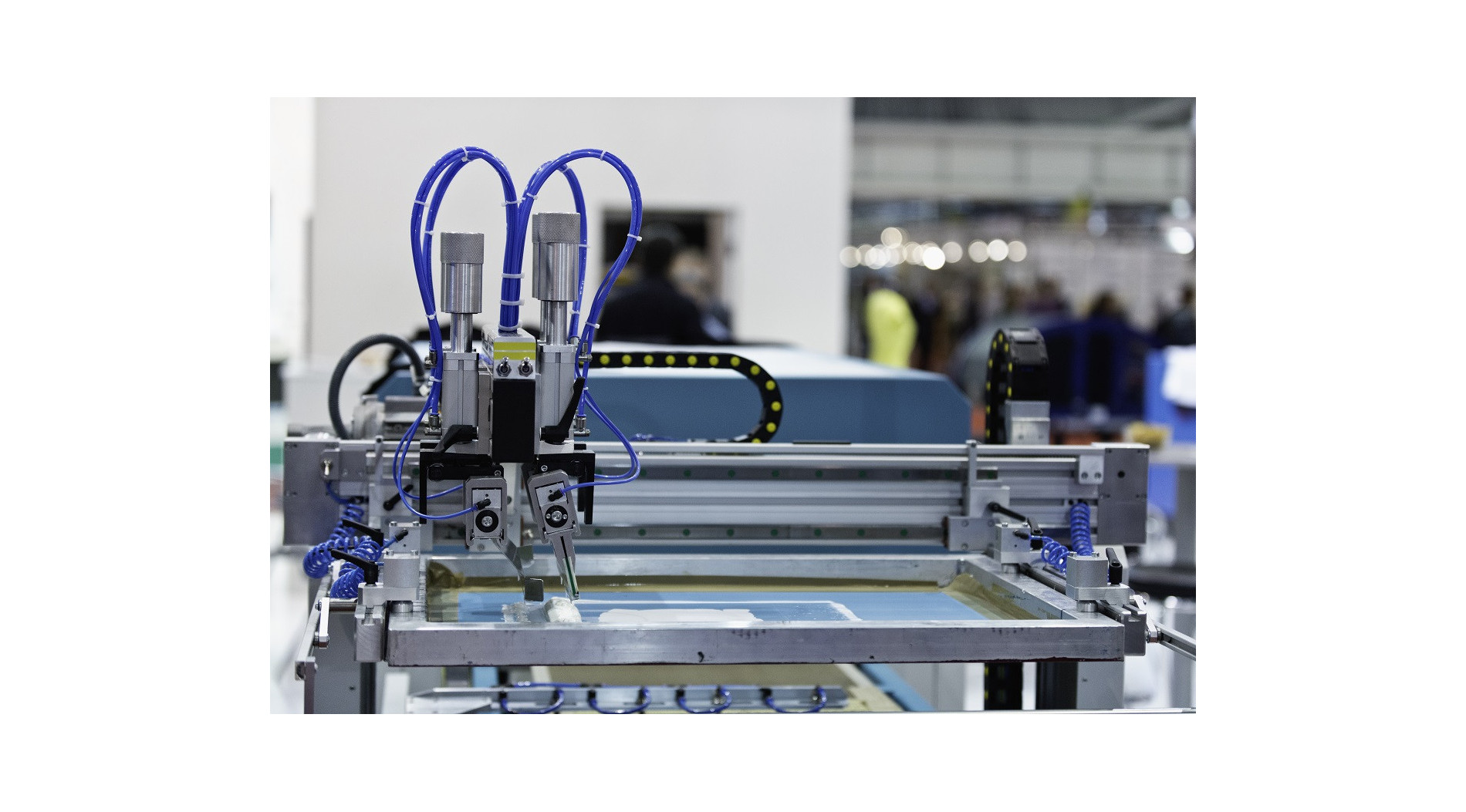
Screen printing is a printing technique that has gained huge popularity due to its simplicity, low cost and high print quality. One of the key steps in this process is screen exposure, which determines whether the design will be transferred to the material with sufficient precision. Here are three important aspects to look out for when preparing for this important task.
Selecting the right emulsion and applying it to the screen
A light-sensitive emulsion is essential for creating the printing matrix on the screen. Choose an emulsion dedicated to screen printing, preferably one with proven quality. You will find these types of products in our shop's range in the screen printing chemicals category. Once you have purchased the emulsion, apply it evenly to the screen using a squeegee or special spatula. It is important to apply the emulsion uniformly and thinly - an overly thick layer can impede proper exposure and subsequent washout of the design.
Screen exposure time and conditions
The exposure time of the screen depends on the power of the light source used for exposure and the type of emulsion. It is best to follow the emulsion manufacturer's recommendations, but it is also a good idea to carry out a test on a small section of the screen to ensure that the effect obtained will be satisfactory. During exposure, it is also important to maintain the correct temperature and minimise ambient light entering the exposure room - this can affect the quality of the print.
Rinsing the pattern and fixing the emulsion
Once the screen has been properly exposed, it should be washed generously with water to remove any uncured emulsion. The water should be at a constant temperature, preferably close to room temperature. Otherwise there is a risk of damaging the cured emulsion and resulting pattern distortion. After rinsing the pattern, the screen should be dried and the emulsion should be cured. Fixing can be carried out using UV light or special lamps - it is advisable to use the methods recommended by the emulsion manufacturer.
Application of the above steps guarantees correct exposure of the screen and thus high print quality in screen printing. It is important, however, that each step is carried out as recommended and that proper working conditions are maintained.